I’ll be honest with you. I was skeptical.
Every skincare corner of the internet was talking about CeraVe. Dermatologists were recommending it, beauty editors were calling it a holy grail, and my friends kept asking if I had tried it yet. For a long time, I brushed it off. A drugstore cream in that big white tub? For under $20? Surely it couldn’t be that good.
Then my skin had its worst winter in years. Tight, flaky, dull. Nothing I owned was helping. So I finally caved, picked up the CeraVe Moisturizing Cream, and decided to give it a real shot.
Three months later, here’s exactly what I think.
Before I get into how it feels on skin, let’s talk about what makes this cream different from a basic drugstore lotion.
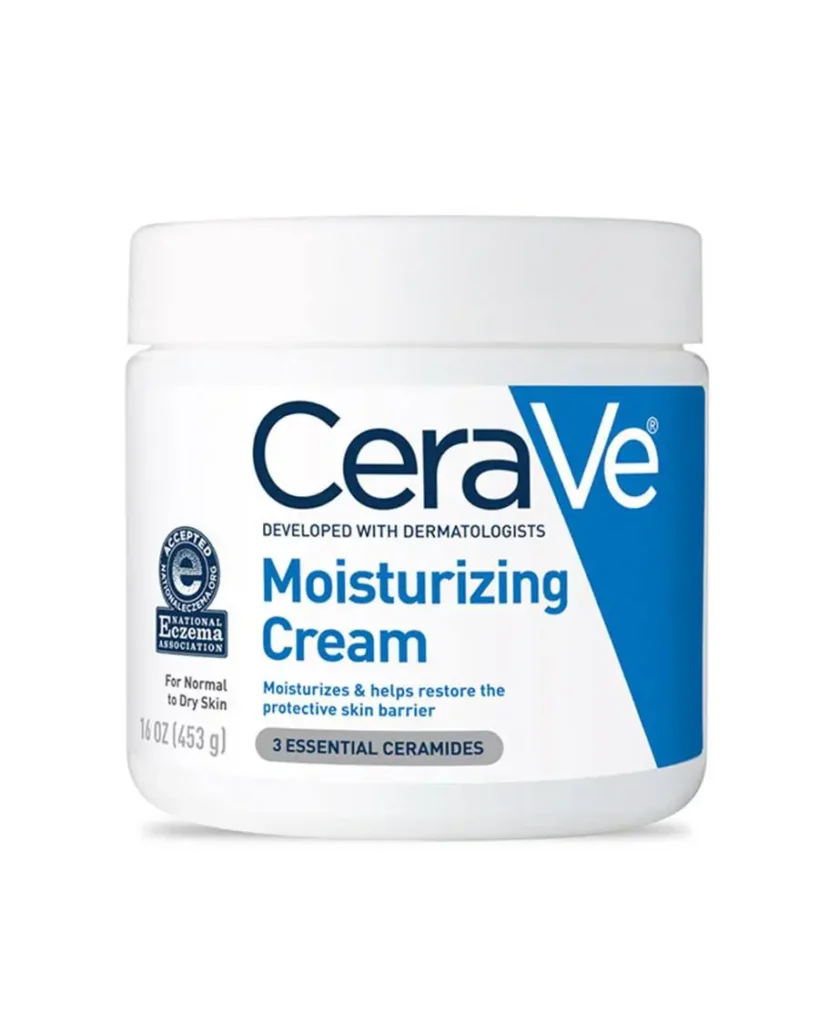
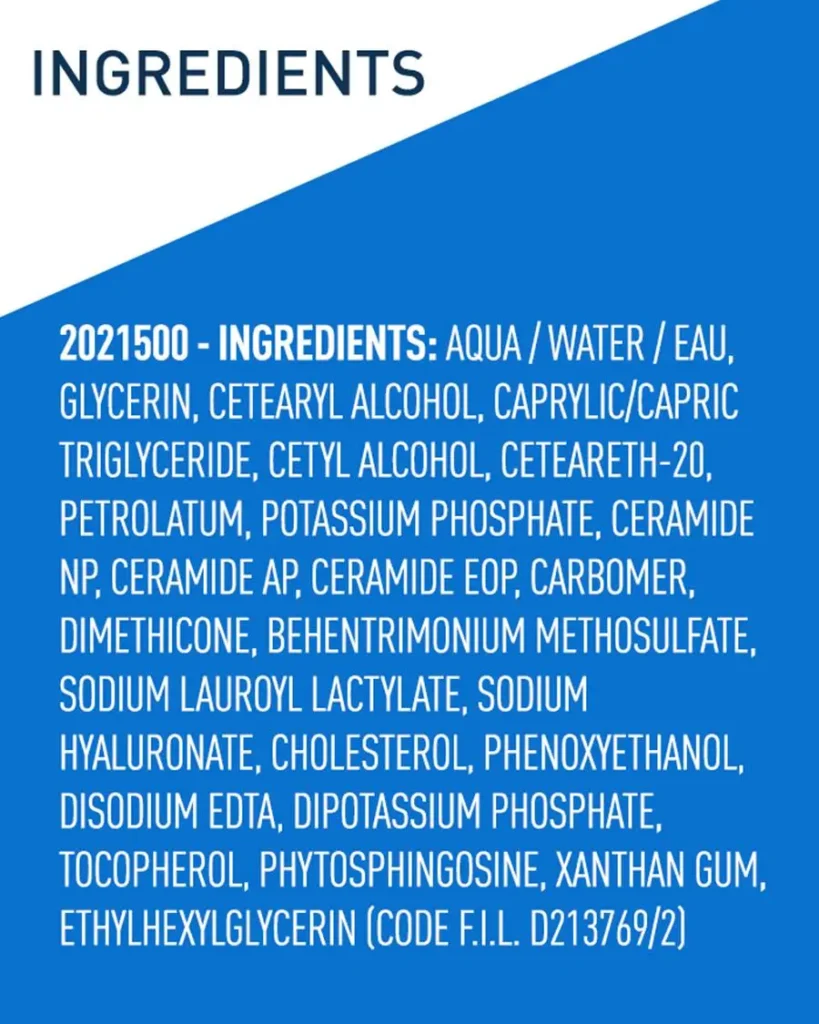
CeraVe Moisturizing Cream contains three essential ceramides: ceramide 1, 3, and 6-II. Ceramides are naturally found in your skin barrier. They act like the mortar between bricks, holding everything together and keeping moisture locked in. As we age or expose our skin to harsh environments, ceramide levels drop, and that’s when skin starts feeling rough, dry, and irritated.
It also contains hyaluronic acid, which draws water from the air into the skin, and MVE technology. This is a slow-release system that delivers ingredients gradually throughout the day rather than all at once. That’s the science behind why this cream feels like it actually lasts instead of disappearing the moment you put it on.
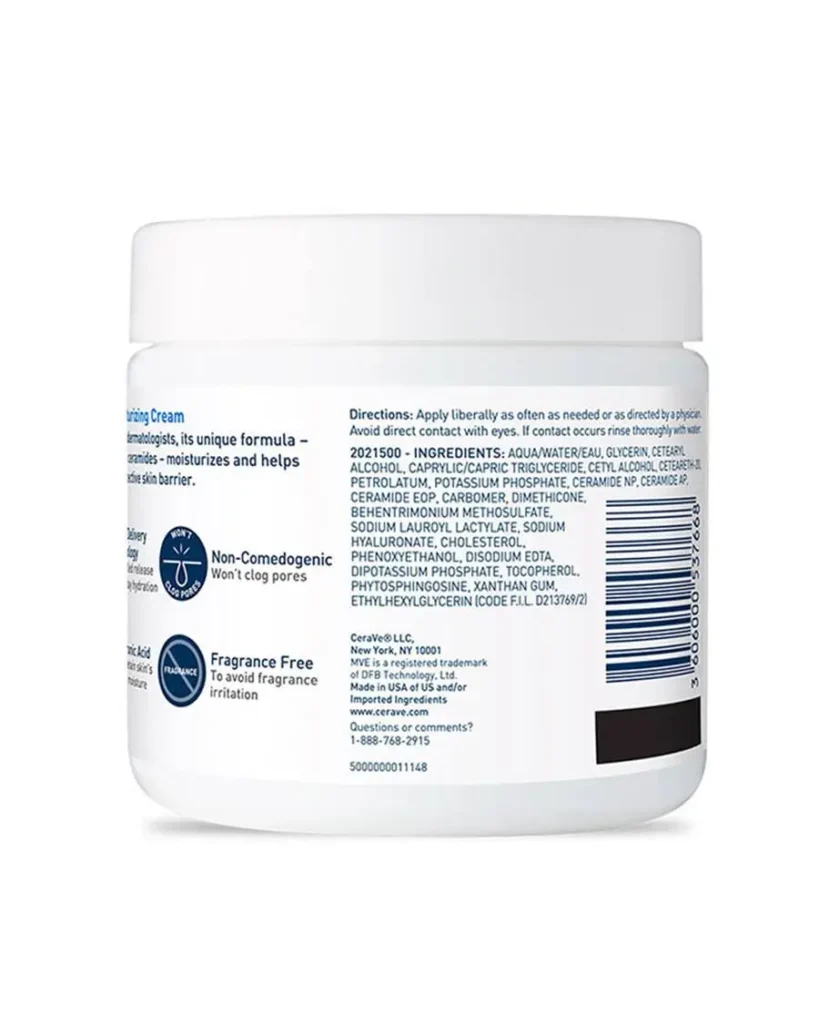
No fragrance. No parabens. Non-comedogenic. Developed with dermatologists. The formulation is genuinely solid.
Texture and Application
This is where I have to be real with you, because the texture surprised me.
It’s thick. Not in a heavy, greasy way. More like a rich, dense cream that looks intimidating in the jar but melts into skin faster than you’d expect. When I first applied it, I thought it was going to sit on top of my skin like a layer of wax. It didn’t. Within a few minutes it absorbed fully and left my face feeling soft without any tackiness.
I use about a pea-sized amount for my whole face. A little goes a long way, which also means that big tub lasts much longer than you’d think.
One thing worth noting: it works better on slightly damp skin. If I apply it right after patting my face dry, leaving just a touch of moisture, it spreads more evenly and absorbs faster. Worth trying if you haven’t already.
My Experience Over Three Months
Week one – My skin felt calmer almost immediately. The tightness after washing my face, which I had accepted as just normal, started to ease up. I wasn’t peeling anymore by mid-afternoon.
By week three – My texture was visibly smoother. Not in a dramatic overnight-miracle way, but the kind of gradual improvement that makes you notice one day while doing your makeup that your skin just looks better.
Month two onward – I stopped reaching for my old heavier creams entirely. This became my only moisturizer, morning and night. My skin barrier felt genuinely restored. Less reactive to cold weather, less sensitive when trying new products, and more consistently hydrated even on days I skipped serum.
Who This Works Best For
CeraVe Moisturizing Cream performs best for dry to normal skin. If you have oily or acne-prone skin, the cream version might feel too rich. CeraVe also makes a Moisturizing Lotion that’s lighter and might suit you better.
For anyone with eczema, redness, or a compromised skin barrier, this cream is one of the most recommended options by dermatologists, and from personal experience, that recommendation makes complete sense.
If you’re in your 20s and 30s and your skin is starting to feel drier than it used to, whether from stress, change in seasons, or just life, this is worth adding to your routine before reaching for anything more expensive.
The Price Question
Let’s talk about value, because it matters.
A 19oz tub of CeraVe Moisturizing Cream costs roughly $18 to $22 depending on where you buy it. I’ve been using mine for three months and it’s still less than half empty. Compare that to luxury moisturizers charging $80 to $150 for similar formulations, and the value here is almost unfair.
This is one of those rare cases where affordable and effective are not in conflict.